
Helping the Highly Sensitive Child Sleep: Understanding the Nervous System Connection
Highly sensitive children (HSC) can be prone to sleep challenges that include both difficulty falling asleep and staying asleep. Well-meaning standard sleep advice may not match the highly sensitive nervous system, unintentionally creating more tears, anxiety, meltdowns, and stress — and no more sleep. Sometimes, using these general sleep recommendations can even lead to sleep anxiety for the child, resulting in refusal to enter their own room or bed. HSC experience sleep differently at a nervous system level and understanding the role high sensitivity plays in sleep can be a gamechanger for families.
The Two Nervous Systems
The nervous system has two branches, the sympathetic and the parasympathetic. The sympathetic nervous system is activated when stress or danger is perceived (commonly referred to as “fight-flight”). The parasympathetic nervous system (which is known as “rest-digest”) is responsible for calm, recovery and restoration. Sleep requires the body to shift from alert (sympathetic) to calm (parasympathetic). For HSC it can be hard to switch into the parasympathetic at the end of the day which affects sleep. There are many factors that can be at play, but for HSC we benefit from looking at the nervous system as a foundational factor when it comes to sleep.
HSC vs Non-HSC Sleep
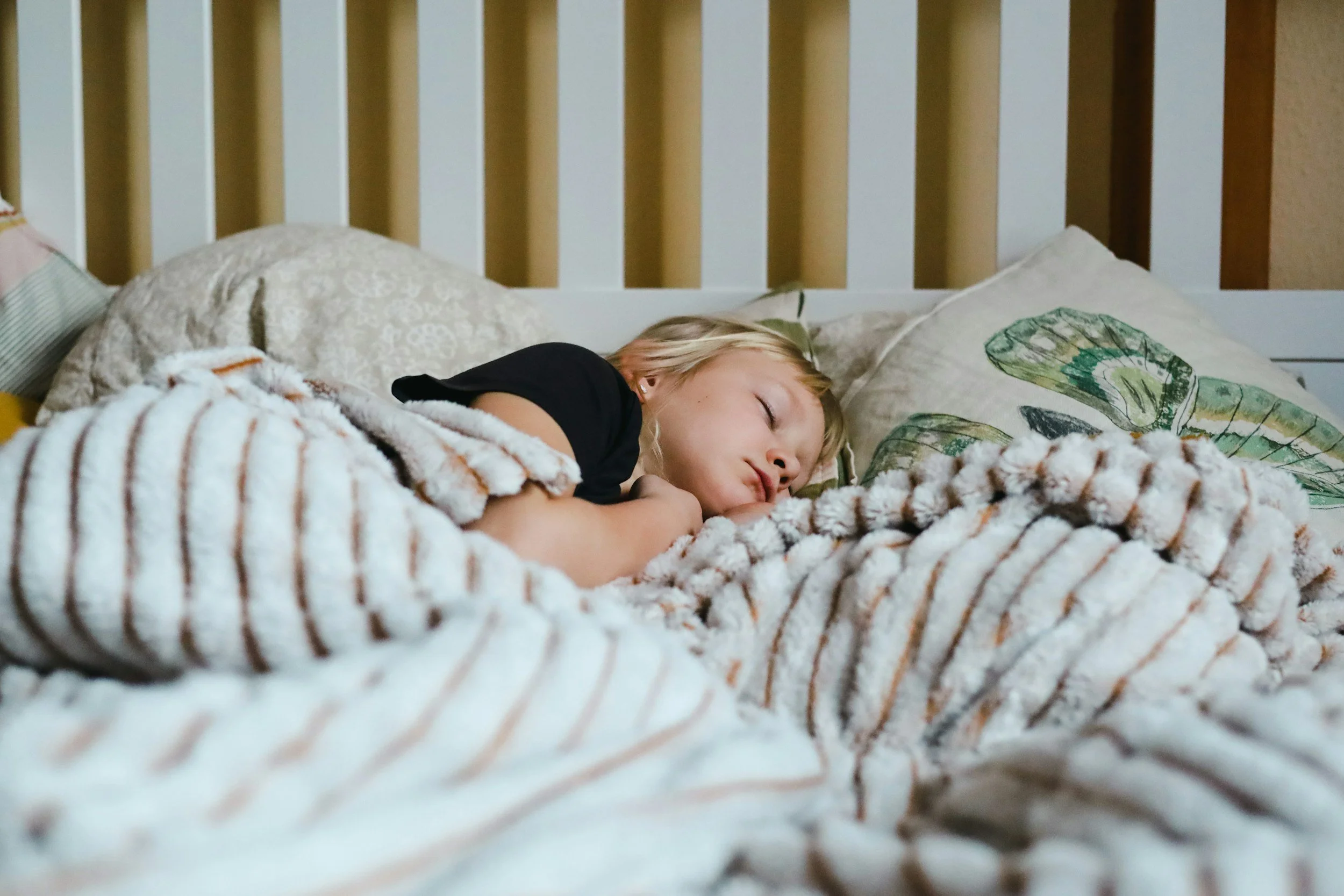
In a non-highly sensitive child, their nervous system can shift easily. They can ignore minor noise or light, recover quickly from stimulation during the day, and emotional stress resolves fast enough, allowing them to fall asleep quickly (assuming no other factors are at play). However, the nervous system of HSC tends to remain alert longer, requiring more support to make the switch. Even after a calming bedtime routine, they may still be processing emotions, social interactions, conflicts, and sensory inputs from the day. These feelings may surface as racing thoughts, anxiety, or a general inability to settle their body, making it harder for HSC to both fall and stay asleep. A child who falls asleep in the fight-flight state will often have fragmented sleep, leading to night wakings and early morning risings.
Signs of a Dysregulated Nervous System Before Sleep
Before bedtime, a child who is restless, fidgety, repeatedly getting out of bed, talking quickly or having emotional outbursts is showing that their nervous system is dysregulated and struggling to switch to the parasympathetic state.
This may not always present in one way – some children may be hyperactive; others may withdraw or seek continual reassurance from a parent. The parents may be told this is misbehavior or stalling and given advice to be stricter with the child. However, that will not calm a nervous system in fight-flight rather it will add to the dysregulation. By learning how your child shows dysregulation, you are in a better position to support with calming strategies, appropriate sensory exercises or changes to the bedtime routine to help the child.
Delayed Processing at Bedtime
HSC hold it together all day, especially at school where there are bright lights, noise, a lot of children, plenty of rules and the expectation to sit for most of the day. At bedtime, when the world quiets down and they have their parent’s undivided attention, their nervous system often feels safe enough to start to process the day’s events. This can seem like stalling, but it is delayed processing, which can look like increased talking, emotional confessions, or even meltdowns. Since HSC are in tune with tone of voice and facial expressions, if they feel the parent is frustrated with them it adds to their overwhelm. Teaching the child how to take space/micro breaks for themselves will help them process events throughout the day as opposed to waiting until bedtime. Also, connecting and checking in with your child for 5 minutes a few times throughout the day provides the opportunity for your child to process events of the day prior to bedtime.
Routine & Reconnection
We all need to feel safe and calm enough to be able to fall asleep, otherwise we remain in a state of hypervigilance. This state of hypervigilance releases cortisol and adrenaline both of which affect the ability to both fall and stay asleep.
So how can this be supported for HSC?
Predictability in routine: Parents of HSC will often share that their child seems to only fall asleep well in their own room, after completing the same steps in the same order as every other night. This type of predictability creates a feeling of safety in HSC. Allowing space for this and meeting it with compassion is a key factor in supporting sleep.
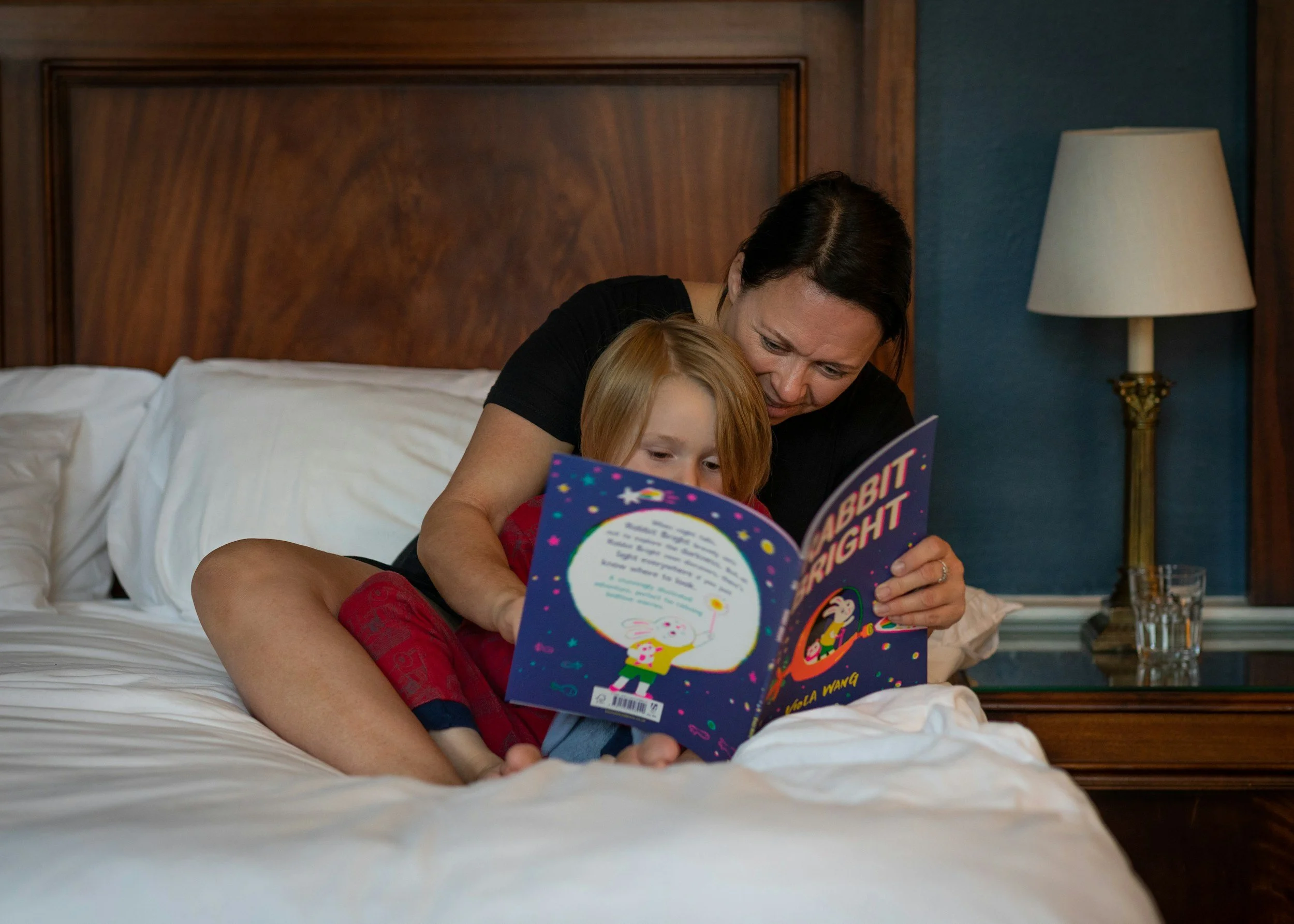
Reconnection: After a long day of separation, reconnecting with a parent enforces the message of “I am safe. I am not alone” which will help activate the parasympathetic nervous system. This can be done with calm presence, eye contact, hugs, shared quiet time, light discussion, reading, coloring, or laying beside a parent until they fall asleep. When HSC feel understood, supported, and emotionally settled, their nervous system can relax naturally leading to sleep.
Understanding sleep struggles in highly sensitive children is about seeing the world through their nervous system, which plays a very important role in sleep. Though there are several factors that affect sleep, nervous system state is a foundational factor. By providing predictable routines and connection parents can help they highly sensitive child sleep better.